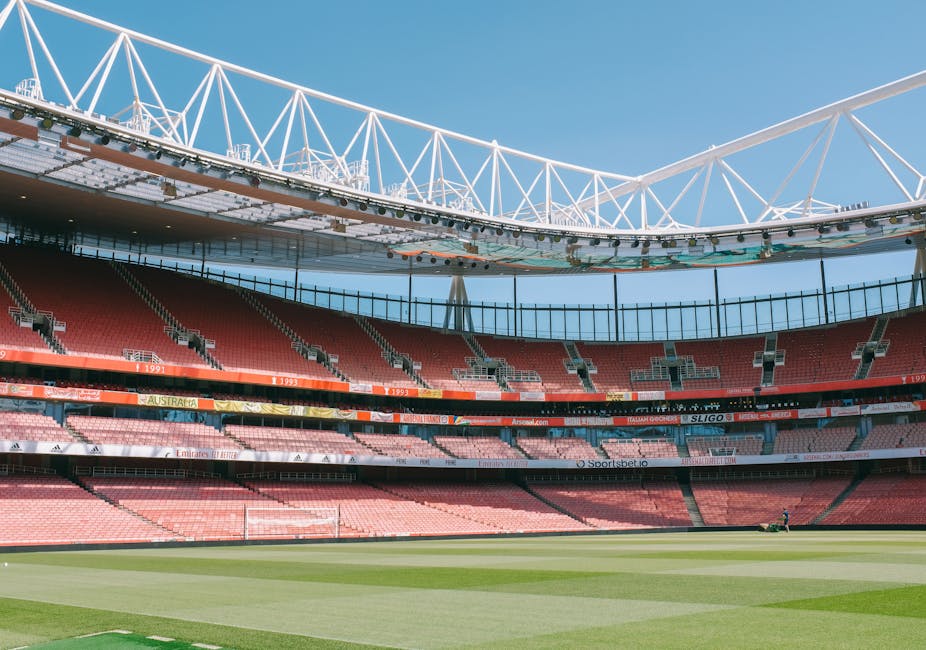
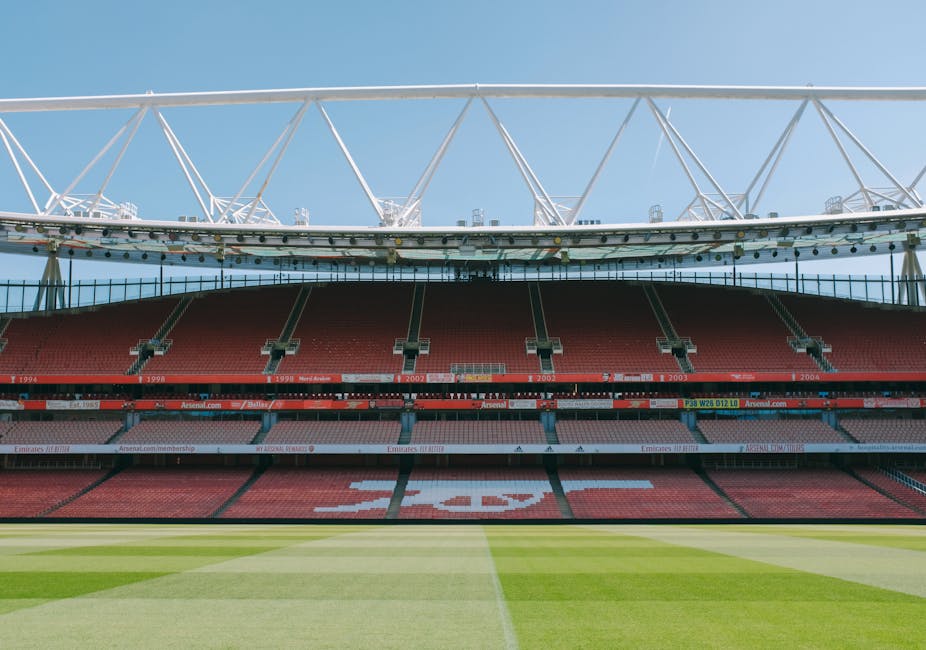
Gardeners for The Valley stadium grounds in Charlton
If you are responsible for stadium grounds, you already know this is not a "tidy the grass and call it a day" kind of job. Gardeners for The Valley stadium grounds in Charlton need to handle presentation, safety, access, weather, fixtures, and the reality that a busy sports venue gets used hard. One wet week, one heavy footfall day, and suddenly the difference between decent grounds and well-managed grounds is obvious.
This guide explains what good stadium grounds care looks like, why it matters, how it works in practice, and what to look for if you are comparing providers. It also covers the less glamorous bits - compliance, waste handling, timing around matches, and avoiding the classic mistakes that make a site look tired far too quickly.
For local organisations, the goal is simple: keep the grounds safe, smart, and ready for public use without creating headaches for staff or contractors. That sounds straightforward. In real life, of course, it rarely is.
Table of Contents
- Why Gardeners for The Valley stadium grounds in Charlton Matters
- How Gardeners for The Valley stadium grounds in Charlton Works
- Key Benefits and Practical Advantages
- Who This Is For and When It Makes Sense
- Step-by-Step Guidance
- Expert Tips for Better Results
- Common Mistakes to Avoid
- Tools, Resources and Recommendations
- Law, Compliance, Standards, or Best Practice
- Options, Methods, or Comparison Table
- Case Study or Real-World Example
- Practical Checklist
- Conclusion
- Frequently Asked Questions
Why Gardeners for The Valley stadium grounds in Charlton Matters
Stadium grounds are judged in seconds. People notice the first glance as they approach the site, then the state of the paths, hedges, borders, grass, entrances, and any planted areas around the venue. If the grounds feel neglected, even a strong matchday experience can start on the wrong foot. And if the grounds feel polished, organised, and cared for, that reassurance carries through before anyone has stepped through the gate.
For a venue like The Valley, the landscape is not just decoration. It supports circulation, wayfinding, safety, accessibility, and the overall identity of the place. Clean edges, healthy turf, trimmed hedging, and clear access routes all help the site function well. This is where a proper gardening and grounds maintenance approach pays for itself in small, steady ways.
There is also the practical side. Stadium environments tend to face compacted soil, wear around entrances, seasonal leaf fall, litter pressure, and weather-related damage. Left alone, small issues build up fast. A patch of thinning turf becomes a muddy route. An overgrown shrub starts blocking sightlines. A neglected corner becomes a recurring complaint. You know how these things go - they never stay small for long.
Good grounds care also helps with reputation. Supporters, visitors, staff, contractors, and neighbouring businesses all read the site differently when it is well kept. In a busy area like Charlton, where public spaces need to work hard and look presentable at the same time, consistency matters more than dramatic one-off improvements.
Expert summary: stadium grounds care is about more than appearance. The best gardening support improves safety, keeps routes usable, protects planting, and helps the whole site feel professionally managed day after day.
How Gardeners for The Valley stadium grounds in Charlton Works
Stadium grounds maintenance usually starts with a site assessment. That means looking at the current condition of lawns, hedges, borders, trees, hard surfaces, entrances, and any decorative planting. A good contractor will also look at access constraints, matchday schedules, storage space, waste removal, and whether work needs to happen in phases.
From there, the work is usually planned around a routine. That routine might include mowing, edging, hedge trimming, pruning, leaf clearance, weed control, planting refreshes, and occasional larger clearances or seasonal tidy-ups. If the grounds include landscaped areas, then ongoing care becomes even more important. A landscape that looks beautiful in spring can turn into a maintenance burden by late summer if it is not managed properly.
At a venue, timing matters as much as technique. A gardener can do excellent work on paper, but if the team turns up at the wrong time, blocks access, or leaves debris behind just before an event, the result is a problem rather than a solution. For that reason, the best providers work with the operational rhythm of the site instead of against it.
There is usually a balance between planned maintenance and reactive work. Planned work keeps things in shape. Reactive work handles storms, overgrowth, damage, or a sudden need to clean up before visitors arrive. Truth be told, the strongest grounds strategy does both well. Not perfectly, just well and consistently.
If the site has timber features, raised areas, or seating-adjacent structures, then maintenance may also extend beyond planting and lawn care. Relevant support services can include decking services, particularly where external surfaces need to stay safe and visually tidy alongside the garden areas. For larger site resets, garden clearance can be part of the picture too, especially after seasonal buildup or before a new maintenance cycle begins.
Key Benefits and Practical Advantages
There are obvious benefits, and then there are the quieter ones that only show up when the site is under pressure. Both matter.
- Better presentation: clean edges, trimmed hedges, and well-kept grass make the grounds feel orderly and cared for.
- Safer movement around the site: clear paths and tidy boundaries reduce the chance of trip hazards, blocked access, and hidden debris.
- Less disruption: scheduled maintenance is far easier to manage than emergency clean-ups.
- Healthier planting: regular care helps plants recover, grow evenly, and avoid becoming woody or overcrowded.
- Improved operational flow: grounds that are planned around foot traffic and event use are easier for staff to manage.
- Lower long-term stress: small issues are dealt with before they turn into expensive or time-consuming problems.
There is another advantage people sometimes overlook: morale. A smart, usable outdoor environment can subtly improve how staff, visitors, and contractors feel about the venue. It sounds soft, maybe a little too soft, but in practice people absolutely notice. A fresh, well-tended perimeter sends a strong signal that the place is on top of itself.
If the grounds form part of a wider site improvement plan, then coordinated work can help. For instance, landscape gardening is useful when the goal is not merely upkeep but improving the layout, planting structure, or visual balance of the space over time. And for sites needing a broader physical refresh, landscaping can support everything from drainage-aware planting to more durable outdoor layouts.
Who This Is For and When It Makes Sense
This kind of service is relevant for anyone responsible for the outdoor appearance and safety of The Valley stadium grounds. That might include facilities teams, venue managers, grounds coordinators, operations staff, or external contractors managing behalf of the site. It may also be relevant for organisations handling surrounding amenity areas, access routes, and shared spaces that feed into the stadium environment.
It makes sense if you are dealing with any of the following:
- grass areas that are wearing unevenly or looking patchy
- hedges and shrubs starting to obstruct sightlines or walkways
- seasonal growth that is too much for a small in-house team
- leaf fall, litter build-up, or general untidiness around entrances
- a need for consistent matchday-ready presentation
- areas that have been left too long and now need a reset
It is also sensible when your internal team is stretched. Let's face it, stadium operations do not slow down just because the shrubs need attention. If your staff are already juggling access, deliveries, safety checks, and event prep, handing the grounds over to a reliable specialist can remove one whole layer of pressure.
Sometimes the trigger is seasonal. In spring, growth explodes. In autumn, leaves pile up and paths need constant attention. In winter, visibility and drainage become more important. In summer, lawns can look good one week and tired the next if they are not cut at the right interval. The right support makes all of this feel manageable.
For ongoing upkeep, a garden maintenance service is often the most practical starting point because it keeps the site in a stable routine rather than bouncing between "fine" and "panic mode". If the job is mainly grass-focused, lawn mowing is the obvious operational anchor. If hedges are part of the problem, hedge trimming becomes essential rather than optional.
Step-by-Step Guidance
If you are planning grounds support for a stadium setting, a simple process keeps everything clearer. Here is the practical version.
- Walk the site properly. Start with a full tour of entrances, paths, planting areas, grassed sections, service zones, and any hard landscaping. Look at where people actually move, not just where the map says they move.
- Identify the pressure points. Note the areas that show wear, collect debris, grow too quickly, or create visibility issues. A good site plan starts with the trouble spots.
- Separate routine work from one-off work. Mowing and edging may be weekly or fortnightly, while clearance, pruning, or replanting might be occasional. Mixing the two leads to confusion.
- Build around the event calendar. Work backwards from matchdays, deliveries, maintenance windows, and public access times. This is where a lot of mistakes happen if nobody owns the schedule.
- Prioritise safety and access. Make sure work zones are clearly managed, debris is removed, and paths stay open unless there is a proper closure plan in place.
- Set standards for finish. Define what "done" looks like: grass height, hedge lines, border edges, waste removal, and handover expectations.
- Review after each visit. A quick post-work check helps catch missed spots early. Five minutes now can save an awkward conversation later. Been there, seen it.
Where a site has accumulated clutter, cuttings, or seasonal waste, a more intensive reset may be needed first. In that case, it is often better to start with garden clearance and then move into routine maintenance, rather than trying to maintain a site that has not yet been properly cleared.
And if the grounds include trees that are becoming overextended, shading key areas, or interfering with pathways, tree lopping and removal may be necessary, subject to appropriate assessment and permission where relevant.
Expert Tips for Better Results
The difference between average grounds care and genuinely solid grounds care often comes down to small details. Nothing flashy. Just disciplined habits.
Keep the schedule realistic. If you leave too much time between visits, the workload balloons and the site never looks settled. More frequent, lighter visits are often better than occasional heroic efforts.
Use the same quality checks every time. If you inspect grass edges, hard borders, waste removal, and access routes in the same order, you are less likely to miss something. Sounds obvious. It is also easy to forget under pressure.
Match the method to the season. Spring and early summer demand growth control; autumn is about leaf management and visibility; winter is about safety, drainage, and avoiding damage to softened ground.
Be careful with overcutting. Grass that is cut too short can look neat for a day and then struggle. That is one of those mistakes that seems efficient until the lawn starts looking stressed and thin.
Protect entry points. Stadium entrances take a beating. Edges, planters, and small planted areas near these routes often need more attention than the rest of the site because people brush past them constantly.
Think in zones. A venue usually needs different care levels in different places: high-visibility frontage, service areas, public circulation zones, and lower-priority corners. Treating every square metre the same is rarely sensible.
A practical tip from real-world site work: always check what the grounds look like at the end of the day, not just after the tidy-up. Under evening light, with rain on the paving or a bit of wind moving cuttings around, small issues become easier to spot.
Common Mistakes to Avoid
Most grounds problems are not dramatic. They are the result of small oversights repeating for months. A bit annoying, frankly, but very fixable.
- Leaving maintenance until growth becomes unmanageable. By then, the job takes longer and costs more effort.
- Ignoring access planning. If gardeners and visitors are competing for the same space, someone loses. Usually everyone.
- Using one-off work instead of a maintenance rhythm. The site may look good briefly, then slip back again.
- Forgetting waste handling. Cuttings, leaves, and green waste need a proper removal plan or the tidy-up just relocates the mess.
- Cutting grass or hedging at the wrong time. Timing affects plant health and site appearance.
- Neglecting safety checks. Loose debris, hidden uneven surfaces, and obstructed paths all create avoidable risk.
- Overlooking sustainability. Good grounds care should not create unnecessary waste, fuel use, or repeated rework.
Another common mistake is treating the grounds as purely decorative. In a stadium setting, that is too narrow. The grounds are part of the venue's operational system. They guide people, support safety, and influence how the whole site feels when busy. That's the real job.
Tools, Resources and Recommendations
You do not need the fanciest tools in the world, but you do need the right ones for the job. A professional team will typically rely on mowing equipment, edging tools, hedge trimmers, pruning tools, leaf management equipment, and safe waste handling systems. For larger sites, mobility and consistency matter as much as sheer power.
For the client side, the most useful resources are usually procedural rather than technical:
- a simple seasonal maintenance calendar
- a site map showing high-priority areas
- a contact list for approvals and access
- a checklist for pre-event and post-event grounds checks
- a record of recurring issues, such as drainage trouble or overgrowth hotspots
If you are comparing service options, a well-structured services overview can help you understand which tasks belong in routine care and which ones are better handled as separate projects. For budgeting and planning, pricing and quotes is the most useful step when you need a clearer view of scope and likely costs.
One more thing: ask how waste is handled. Responsible green waste disposal, recycling where possible, and clear site handover all matter. If sustainability is part of your brief, look for a contractor that can work in a way that supports it rather than complicates it. There is no glory in hauling the same pile of clippings twice.
Law, Compliance, Standards, or Best Practice
For stadium grounds and public-facing outdoor spaces, compliance is mostly about risk awareness, safe working methods, access control, and sensible record-keeping. You do not need to turn the site into a paperwork museum, but you do need a sensible process. Best practice in the UK usually means using competent people, appropriate equipment, and clear communication around hazards and work timing.
Where trees, hedges, or boundary planting are involved, care should be taken with protected features, overhanging growth, visibility lines, and any permissions that may apply. If you are unsure whether work might affect a tree with special status or a boundary issue, it is safer to check before cutting than after. Common sense goes a long way here.
Health and safety should also be taken seriously on live sites. That includes safe movement of tools, awareness of pedestrians, clear storage, and suitable personal protective equipment. If you are appointing a contractor, it is reasonable to ask how they approach this. The relevant standards may not always be visible to visitors, but they matter a lot behind the scenes.
You may also want to understand contractor assurances around insurance and safety and the site rules laid out in the company's health and safety policy. For many clients, that kind of documentation is not a box-ticking exercise; it is a basic trust check. Fair enough, too.
If your organisation values ethical operations and low-waste working practices, it is also worth reviewing recycling and sustainability. Good grounds care should be tidy, but it should also be thoughtful about disposal, reuse, and unnecessary resource use.
Options, Methods, or Comparison Table
Not every stadium site needs the same maintenance model. Some need a light-touch routine. Others need a more hands-on service with seasonal interventions and reactive callouts. Here is a simple comparison.
| Approach | Best for | Strengths | Limitations |
|---|---|---|---|
| Light routine maintenance | Sites already in good condition | Cost-efficient, predictable, easy to schedule | May not cope well with sudden growth or heavy wear |
| Routine maintenance plus seasonal works | Most stadium grounds | Balanced, adaptable, keeps the site presentable year-round | Needs good planning and clear scope |
| Reset and restore model | Overgrown or neglected grounds | Creates a fresh baseline, removes clutter, improves control | More disruptive at the start, then needs follow-up care |
| Project-led landscaping | Sites needing improvement as well as upkeep | Can improve layout, planting quality, and visual impact | Requires more design input and longer timelines |
For many clients, the sweet spot is the middle row: routine maintenance with seasonal works. It keeps the site moving in the right direction without overcomplicating the job. If the grounds have been neglected, start with clearance, then move into a maintenance rhythm. Simple is not glamorous, but it works.
Case Study or Real-World Example
Imagine a stadium grounds team coming into early autumn after a busy period. The main entrance looks fine at first glance, but the hedges have begun to encroach on the walkway, grass near the boundaries is thinning from foot traffic, and fallen leaves are collecting near the corners where people cut across the site. Nothing disastrous. Just enough to make the venue feel a little less cared for.
A sensible plan would begin with a walkaround before work starts. The team would identify the entrance routes, the highest-traffic areas, and any zones that need a softer touch because of drainage or plant stress. Then they would prioritise leaf clearance, cut back the hedges to restore clean lines, mow and edge the turf, and remove waste properly. If any section had become too untidy to maintain efficiently, a one-off clearance could reset it.
After that, the site would move into a routine schedule. Maybe weekly checks during the busiest weeks, then adjusted frequency as the season changes. The difference is not just visual. Staff spend less time reacting to complaints, visitors arrive to a cleaner first impression, and the grounds stop feeling like they are always one step behind.
That is the real value here. Not perfection. Control.
Practical Checklist
Use this checklist when planning or reviewing stadium grounds support. It keeps the conversation grounded in what actually matters.
- Have the key access routes been identified?
- Are mowing, edging, and hedge trimming scheduled at realistic intervals?
- Has the site been checked for seasonal growth pressure?
- Are waste removal and green waste handling clearly agreed?
- Do work times fit around event and delivery schedules?
- Has safety been considered for pedestrians, staff, and contractors?
- Are any larger works, such as clearance or landscaping, separated from routine maintenance?
- Is there a named contact for approvals and site access?
- Has the contractor explained how they handle insurance, safety, and responsible working practices?
- Will the site be reviewed after the work, not just before it?
If you can answer most of those with confidence, you are already in a much better place than many sites. And if not, that is okay too - it simply means the process needs tightening up a bit.
Get a free quote today and see how much you can save.
Conclusion
Gardeners for The Valley stadium grounds in Charlton are ultimately about more than keeping things neat. They help a busy venue stay safe, presentable, and manageable through changing seasons, public pressure, and the everyday messiness of outdoor space. That mix of appearance, function, and reliability is what makes professional grounds care worth doing properly.
If you treat the grounds as part of the venue's experience, not just a strip of green to be trimmed now and then, you get better results. Cleaner entrances, healthier planting, fewer surprises, and a site that feels looked after. Not flashy. Just solid. And in a place that sees regular use, solid is excellent.
When in doubt, start with a proper assessment, set a realistic maintenance rhythm, and choose work that supports the site long term rather than patching today's problem and creating tomorrow's one. That approach tends to age well. So do the grounds.
Frequently Asked Questions
What do gardeners for stadium grounds in Charlton actually do?
They handle the outdoor upkeep that keeps the site presentable and functional. That usually includes mowing, edging, hedge trimming, planting care, leaf clearance, weed control, and occasional larger tidy-ups or clearance work.
How often should The Valley stadium grounds be maintained?
There is no single perfect schedule. It depends on growth, season, foot traffic, and event timing. In practice, many stadium-style sites do best with regular routine visits and more frequent checks during peak growing months.
Why is stadium grounds maintenance different from normal garden care?
Because the site has more traffic, more visibility, and more operational pressure. Grounds care has to support safety, access, timing, and public presentation, not just appearance.
Do I need both routine maintenance and one-off clearance?
Often, yes. Routine maintenance keeps the site under control, while one-off clearance helps reset areas that have become overgrown, cluttered, or hard to manage efficiently.
Can grounds work be scheduled around matchdays?
Yes, and it should be. Good planning takes event days, deliveries, and access routes into account so work does not interfere with operations or visitor flow.
What are the most common grounds problems at busy venues?
Overgrowth, worn grass, blocked paths, leaf build-up, uneven presentation, and waste not being removed properly are the usual suspects. They may seem minor at first, but they add up quickly.
How do I know if I need landscaping rather than basic maintenance?
If the site needs layout changes, planting improvements, drainage-aware adjustments, or a broader refresh rather than just upkeep, then landscaping may be the better option.
Is sustainability important in grounds maintenance?
Yes. Responsible handling of green waste, efficient use of resources, and avoiding unnecessary rework all matter. It is better for the site, and frankly, it is just more sensible.
What should I ask a grounds contractor before hiring them?
Ask about their approach to safety, insurance, waste removal, scheduling around operations, and how they handle routine versus seasonal work. Clear answers are a good sign.
Can hedge trimming and lawn mowing be combined in the same visit?
Usually, yes. In fact, combining related tasks can be efficient, provided the contractor can still leave the site tidy and avoid rushing the finish.
What if the grounds have become heavily overgrown?
Start with a proper clearance or reset, then move into a maintenance schedule. Trying to maintain a badly neglected site without clearing it first often leads to more work later.
How do I choose between different service options?
Think about the current condition of the grounds, how often the site is used, and whether you need upkeep only or improvement as well. A service overview and a clear quote can make that decision much easier.
If you would like to learn more about the people behind the work, you can also review the company's about us page or use the details on the contact us page when you are ready to talk through your site needs. A brief conversation often clears up more than a long checklist ever will.
And if you prefer to understand the wider service structure first, the services overview is a useful starting point before you decide what level of support fits your grounds best.