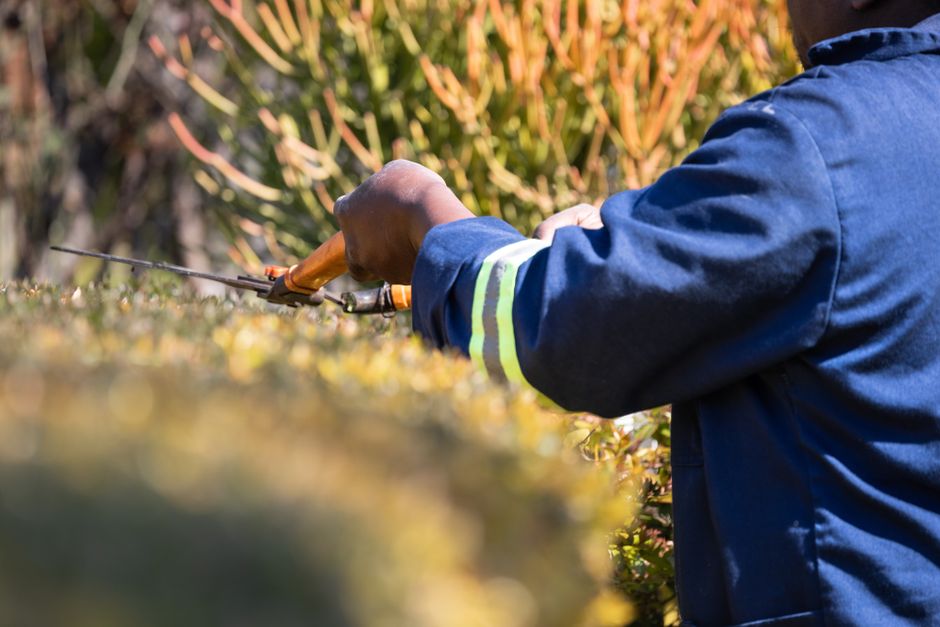
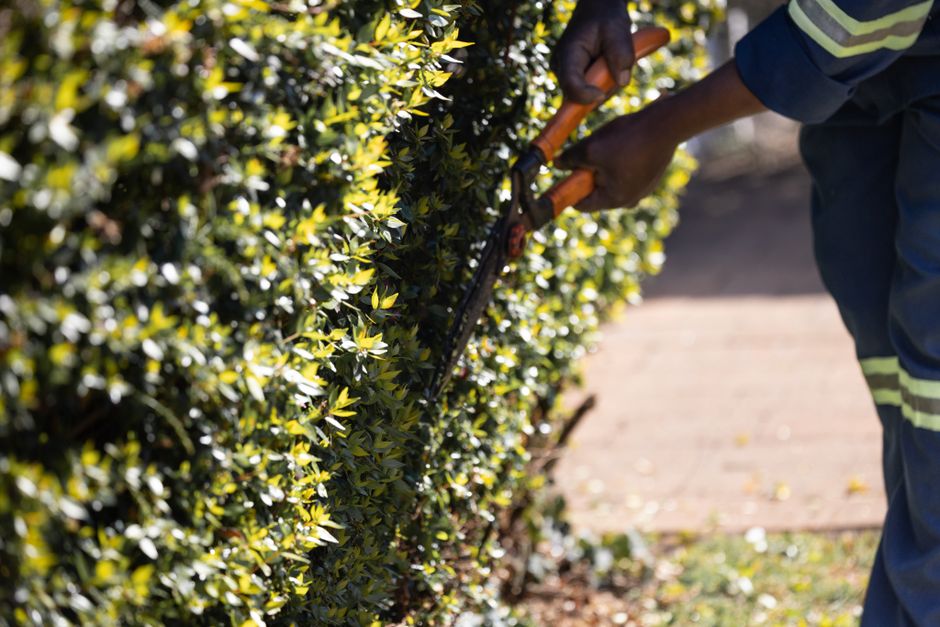
Same day Charlton gardeners for emergency hedge clearance
When a hedge suddenly blocks a path, leans into the road, obscures a driveway, or starts shedding branches after a gusty night, you do not want to wait around. You want it dealt with today, cleanly and safely. That is exactly where same day Charlton gardeners for emergency hedge clearance come in. The job is not just about cutting back green growth. It is about restoring access, reducing risk, and getting your outdoor space usable again without turning a messy problem into a bigger one.
In Charlton, emergency hedge work often happens for very ordinary reasons: a storm, a neglected boundary hedge, a tenant move-out, a neighbour complaint, or simply a hedge that has grown past the point of sensible DIY. This guide walks you through what emergency hedge clearance actually involves, when it is the right option, what to expect on the day, and how to avoid the usual headaches. A bit of practical know-how can save a lot of stress, honestly.
If you need broader help beyond a one-off urgent visit, you may also find our garden maintenance and hedge trimming pages useful for understanding the longer-term options.
Table of Contents
- Why Same day Charlton gardeners for emergency hedge clearance Matters
- How Same day Charlton gardeners for emergency hedge clearance Works
- Key Benefits and Practical Advantages
- Who This Is For and When It Makes Sense
- Step-by-Step Guidance
- Expert Tips for Better Results
- Common Mistakes to Avoid
- Tools, Resources and Recommendations
- Law, Compliance, Standards, or Best Practice
- Options, Methods, or Comparison Table
- Case Study or Real-World Example
- Practical Checklist
- Conclusion
- Frequently Asked Questions
Why Same day Charlton gardeners for emergency hedge clearance Matters
Emergency hedge clearance matters because a hedge can stop being a background feature very quickly. One day it is a tidy boundary. The next, it is encroaching on a footpath, blocking visibility at a driveway, pressing on fencing, or dropping heavy cuttings across an entrance. If you are trying to open a gate, park a car, or simply keep things safe for children, visitors, or neighbours, time matters.
In a local setting like Charlton, where homes, front gardens, access routes, and side returns can be fairly compact, an overgrown hedge can create a lot of friction in a small space. You may not be dealing with a dramatic disaster, but you are dealing with something that needs prompt attention. And if the hedge is damaged, storm-hit, or unstable, waiting can make the job harder and more expensive. That part is easy to underestimate.
There is also the practical side. A hedge that has grown wild tends to hide other issues: broken branches, nesting debris, rubbish caught in the base, or a leaning structure that is already failing. A professional emergency clearance is not only about trimming to size. It is about clearing access, checking stability, and making the area safe enough for the next step, whether that is a full tidy-up, a reduction cut, or a planned re-shape later on.
Expert summary: If the hedge is causing a safety issue, access problem, or neighbour dispute, same-day clearance is usually the fastest way to stop the problem spreading. The key is to act before the hedge starts damaging fencing, paving, or visibility.
How Same day Charlton gardeners for emergency hedge clearance Works
Same-day hedge clearance is usually straightforward from the customer's point of view, even if the work itself is a bit more involved behind the scenes. You make contact, explain the issue, and describe what the hedge is doing: blocking access, leaning out, broken in the wind, or simply too large to leave until next week. The more precise you can be, the better. A quick description or photo can help, though that depends on how you are contacting the team.
From there, a gardener will usually assess the urgency, the hedge size, the access available, and whether the job looks like a quick clearance or something that needs more time and disposal capacity. Sometimes the answer is a rapid cut-back and tidy. Sometimes it is a more careful partial dismantling of fallen sections first. And sometimes the hedge is only one part of a wider issue, which means the visit needs to be planned alongside garden clearance or, where trees are involved, tree lopping and removal.
On arrival, the team will normally look for hazards before any cutting starts. That can include unstable branches, hidden wires, slippery ground, broken fence panels, thorns, or traffic exposure if the hedge borders a road. The actual work may involve hand tools, hedge trimmers, loppers, pruning saws, and secure waste collection. Then comes the tidy-up, because leaving a heap of cut branches behind does not really count as a proper emergency clearance. Let's face it, nobody wants a neat hedge and a mountain of clippings.
Good same-day work should end with a usable boundary, a clear access point, and a sensible explanation of any follow-up needed. If a hedge has been cut back sharply, it may need future aftercare rather than another hard cut straight away. A trustworthy gardener will say so plainly.
Key Benefits and Practical Advantages
The main benefit is obvious: speed. But there is more to it than that. Emergency hedge clearance is often the difference between a minor interruption and a domino effect of problems. Once a hedge starts blocking movement or safety lines, people change how they use the space. Cars get parked awkwardly. Pedestrians take risky shortcuts. Neighbours get annoyed. Then a simple gardening task becomes a weekly irritation. No one needs that.
Here are the practical advantages most people notice first:
- Immediate access restoration for driveways, paths, side gates, and front boundaries.
- Reduced risk from overhanging, leaning, or storm-damaged growth.
- Less neighbour tension when hedges are affecting shared lines or visibility.
- Better kerb appeal when the front of the property stops looking neglected.
- Safer working conditions than trying to wrestle a dense hedge with household tools.
- Cleaner disposal of cut material rather than multiple trips to the tip.
There is also a quieter advantage: peace of mind. A hedge that feels urgent can sit in the back of your mind all day. Once it is dealt with, the whole place feels less tense. Sounds dramatic, maybe, but people really do notice that change.
Who This Is For and When It Makes Sense
This service suits a surprisingly wide range of situations. Homeowners use it when a hedge has become too large, has collapsed in wind, or is affecting the street view. Landlords and letting agents often need it before a new tenancy, after a tenant move-out, or when a property inspection reveals safety concerns. Businesses with frontage hedging may need same-day help if customers cannot see signage or safely approach the entrance.
It also makes sense when you are trying to avoid further damage. For example, if the hedge is rubbing against fencing, blocking light to a driveway, or pressing into a shared boundary, a prompt cut-back can stop a small issue becoming a repair job. That is especially true after heavy rain or strong wind, when stems can bend oddly and start to split.
You may not need emergency clearance if the hedge is simply overgrown but stable, with no immediate access issue. In that case, a planned visit for hedge trimming or a broader upkeep schedule may be a better fit. But if the hedge is actively causing a problem today, waiting usually does not help. If anything, it gives the problem another day to settle in.
Step-by-Step Guidance
If you are arranging emergency hedge clearance for the first time, it helps to know what the process usually looks like. Nothing fancy. Just a sensible sequence.
- Describe the issue clearly. Explain whether the hedge is blocking access, causing a safety concern, damaged in a storm, or interfering with neighbours or traffic visibility.
- Share helpful details. Mention hedge height, length, access points, and whether there is rear access, a locked gate, or a shared side passage. If you can send photos, that is even better.
- Ask what the response includes. Check whether the visit covers cut-back, clearance, collection, and tidy-up. Not every quote means the same thing, so it is worth asking directly.
- Prepare the area. Move cars, bins, plant pots, and fragile items if you can do so safely. Open gates and clear a route to the hedge.
- Let the team assess hazards. The gardener should look for unstable branches, hidden obstacles, and anything that needs special handling before cutting starts.
- Approve the approach. In urgent jobs, the quickest route is often the best, but it should still be sensible. A good gardener will explain what can be done right away and what needs a follow-up visit.
- Complete the tidy-up. The job should finish with debris removed, access restored, and the site left in a usable condition.
- Plan the next step. If the hedge is likely to regrow fast or if the structure is weak, schedule a longer-term solution rather than waiting for the same headache to return.
A small point, but an important one: if the hedge borders a shared boundary, take a minute to check whether you need to keep the line tidy and respectful. Most problems are easier to solve with calm communication. Much easier.
Expert Tips for Better Results
Good hedge clearance is not just a matter of cutting harder. It is about cutting intelligently. The best results tend to come from a mix of speed, restraint, and clear judgement. That sounds simple, though in the middle of a tangled hedge it can get a bit messy.
Tip 1: Don't chase perfection in an emergency. If the hedge needs urgent clearing, the first goal is safety and access. A final shape can come later. Trying to produce a showroom finish during a same-day callout can waste time and leave the hedge stressed.
Tip 2: Look at the hedge base as well as the top. Many clearance jobs focus on the obvious overhang, but the real issue may be at ground level: suckers, litter, hidden stems, or internal dieback. If the base is neglected, the hedge often comes back unevenly.
Tip 3: Check for nesting or wildlife-sensitive areas. In the UK, gardeners should be cautious around nesting birds and other wildlife. The right approach is not to assume; it is to observe carefully and avoid unnecessary disturbance. If something looks active, pause and assess.
Tip 4: Ask for a clean disposal plan. Hedge cuttings can be bulky. A proper service should account for removal and recycling where possible. If waste is left behind, you have only solved half the issue.
Tip 5: Use the emergency visit to reset the long-term plan. Once the hedge is safe, it is worth asking whether ongoing maintenance would prevent the same problem from returning. Prevention is far cheaper than repeated rush jobs. Usually.
And here is a very normal, very human truth: a hedge often looks fine from the road right up until you are standing beside it with a pruner in your hand. Then you see the full story.
Common Mistakes to Avoid
People often make the same avoidable mistakes when a hedge needs urgent attention. None of them are dramatic on their own, but together they can turn a quick job into a frustrating one.
- Leaving it too late. The longer a hedge stays overgrown or damaged, the more likely it is to become awkward, unstable, or difficult to cut cleanly.
- Using blunt or unsuitable tools. Domestic tools can struggle with dense stems, and forcing them can create jagged cuts or safety issues.
- Ignoring access and disposal. A clearance job is not finished until the waste is gone and the path is usable.
- Overcutting in one go. If a hedge is severely overgrown, taking too much off at once can shock the plant and leave bare patches.
- Skipping boundary checks. Shared hedges, fence lines, and neighbouring gardens can become complicated quickly if no one checks the layout first.
- Assuming emergency means no planning. Even same-day work benefits from a few minutes of preparation. That is where the smooth jobs come from.
One more thing: if the hedge is part of a bigger tangle of garden problems, it may be smarter to combine the visit with other work such as lawn mowing or full garden clearance. Trying to solve everything piecemeal can get expensive and, frankly, a bit tiresome.
Tools, Resources and Recommendations
For professional emergency hedge clearance, the right tools make a real difference. Not because the kit looks impressive, but because the work becomes safer, quicker, and less damaging to the hedge itself.
Commonly used tools include:
- Hedge trimmers for controlled cutting on manageable sections.
- Hand shears for neater finishing or detail work.
- Loppers and pruning saws for thicker, woody stems.
- Tarps or collection bags to gather cuttings efficiently.
- Gloves, eye protection, and sturdy footwear to reduce injury risk.
- Waste transport equipment for removing debris promptly.
If you are comparing service options, useful resources on the same website include services overview for a broader picture, pricing and quotes for understanding how estimates are typically handled, and insurance and safety if you want reassurance about working practices.
For customers who value lower-waste garden work, the recycling and sustainability page is also worth a look. Hedge waste can often be handled responsibly, and that matters more than people think. The pile disappears, but the impact does not have to be forgotten.
Law, Compliance, Standards, or Best Practice
Emergency hedge clearance touches on a few sensible UK best-practice points, even if the job itself is basically gardening. First, safety comes before speed. A professional should avoid work that would put people, property, or traffic at unnecessary risk. That includes taking care around ladders, unstable growth, hidden hazards, and any active wildlife concerns.
Second, boundary and access issues should be handled carefully. If a hedge sits near a shared line, it is best to proceed with restraint and clear communication. No one likes a crossed boundary argument on a Tuesday afternoon. Keep it civil and tidy.
Third, waste handling should be organised properly. Green waste should not be left where it blocks access, creates slipping hazards, or causes nuisance to neighbours. A responsible gardener will plan removal as part of the job rather than treating it as an afterthought.
Finally, if the hedge is close to structures such as fences, sheds, decking, or paving, the work should be done in a way that avoids unnecessary damage. That is where experience matters. Good practice is not about being flashy. It is about not making things worse.
Options, Methods, or Comparison Table
Not every hedge problem needs the same solution. Here is a simple comparison to help you decide what kind of visit makes sense.
| Option | Best for | Typical outcome | Notes |
|---|---|---|---|
| Same-day emergency hedge clearance | Blocked access, storm damage, urgent safety issues | Quick restoration of access and safety | Focuses on the immediate problem first |
| Planned hedge trimming | Overgrowth without urgency | Controlled shaping and maintenance | Better when the hedge is stable and manageable |
| Full garden clearance | Hedge issue plus widespread garden clutter | Broader reset of the space | Useful when the whole garden needs attention |
| Tree-related removal work | Hedge damage caused by larger woody growth or adjoining trees | Safer handling of bigger structural problems | More suitable where branches or tree growth are involved |
If you are unsure where your situation fits, ask for a short description of the problem rather than trying to guess the service name. In real life, these jobs overlap more often than people expect.
Case Study or Real-World Example
A typical Charlton-style emergency might go like this. After a windy night, a front hedge starts leaning across a shared pavement and partially blocks the view from a driveway. Nothing dramatic has snapped off completely, but the branches have shifted enough to make reversing out awkward, and the homeowner is worried someone walking past might brush against the hedge or trip on the spread. There is also the small matter of a neighbour's polite-but-firm message. You know the kind.
A same-day visit would usually start with a quick assessment of the lean, the thickness of the hedge, and whether there are broken stems inside the mass of growth. The team would clear the obstructing sections first, then reduce the visible overhang, then remove the arisings and check that the driveway and pavement edge are safe again. If the hedge is salvageable, the follow-up may be a planned reshaping rather than a heavy cut.
The important part is not that the hedge becomes perfect in one go. It is that the property stops feeling difficult to use. The driveway works again. The front looks calmer. The air around the issue changes, a bit. That is what good emergency gardening does: it removes the immediate pressure and gives you room to think.
Practical Checklist
Use this quick checklist before and during a same-day hedge clearance visit:
- Confirm the hedge is causing an urgent access, safety, or boundary issue.
- Take a few clear photos if possible.
- Move cars, bins, and delicate items away from the work area.
- Make sure gates and access routes are open.
- Tell the gardener about any known hazards, pets, or awkward access points.
- Ask whether waste removal is included.
- Check whether the hedge is shared, boundary-based, or close to fencing.
- Agree on the immediate priority: safety, access, or visual clearance.
- Request advice on follow-up maintenance once the emergency is dealt with.
- Keep a note of what was done, especially if the hedge affects neighbours or a property manager.
Quick take: if you can make the site easy to reach, the whole job usually goes smoother. Simple as that.
Conclusion
Same-day hedge clearance is one of those services you hope you never need, and then, when you do need it, you really need it. It is fast, practical, and often the simplest way to deal with a hedge that has become a real-world problem rather than just a garden feature. Whether the issue is storm damage, blocked access, overgrowth, or a boundary that has started to get awkward, the right response is calm, safe, and well organised.
For longer-term control, pair urgent clearance with a sensible maintenance plan. That way the hedge stays manageable, the garden feels easier to live with, and you are not dealing with the same scramble again in a few months. A small bit of regular care goes a long way, really. And if you are ready to sort it properly, you do not need to wait for the perfect moment. Today is enough.
Get a free quote today and see how much you can save.
Frequently Asked Questions
What counts as an emergency hedge clearance?
An emergency usually means the hedge is blocking access, creating a safety hazard, causing visibility problems, or has been damaged by wind or heavy growth in a way that needs prompt attention.
Can same-day gardeners in Charlton clear a very large hedge?
Often, yes, but the answer depends on access, hedge density, and how much waste needs removing. Some large jobs can be made safe the same day, then completed in stages if needed.
Is hedge clearance the same as hedge trimming?
Not exactly. Hedge trimming is usually about shaping and routine maintenance. Emergency hedge clearance is more about removing an urgent problem quickly and restoring access or safety first.
Will the gardener remove all the cuttings?
That should be clarified before the job starts. A proper clearance visit normally includes tidy-up and removal of green waste, but it is always wise to check the scope of work.
What if the hedge is on a boundary with a neighbour?
It is best to be careful and communicate clearly. Shared boundaries can be sensitive, so the work should stay within agreed limits and avoid unnecessary cutting beyond the relevant line.
Can hedge clearance damage the hedge permanently?
It can, if too much is removed at once or the hedge is cut badly. That is why emergency work should still be done with judgement. Sometimes a lighter first cut is the smarter move.
How quickly can a gardener attend in Charlton?
Same-day attendance depends on workload, travel, and the size of the job. Urgent issues are usually prioritised, but it is best to contact the team as early in the day as possible.
Do I need to prepare anything before the team arrives?
Yes, if you can. Move vehicles, open access gates, and clear away anything fragile near the hedge. A tidy work area helps the gardener work more efficiently and safely.
What if the hedge is mixed in with tree branches?
That may require a broader approach, possibly involving tree lopping and removal or a wider clearance plan if the growth is more complex than a hedge alone.
Is emergency hedge clearance suitable for rented properties?
Yes. Landlords, agents, and tenants often use it when a boundary hedge affects safety, access, or property presentation before inspections or new tenancies.
What should I ask when getting a quote?
Ask what is included, whether waste removal is covered, how quickly the team can attend, and whether the job is a one-off clearance or the start of a follow-up maintenance plan.
When is it better to book planned maintenance instead?
If the hedge is overgrown but not urgent, planned maintenance is often better. It gives the gardener time to shape the hedge properly and reduce the chance of repeated emergency callouts.
For more about the company's approach and wider service options, you can also read the about us page or browse the full services overview. Sometimes the right next step is just getting the picture clear.
Will emergency hedge clearance make the garden look finished straight away?
It should make it look safer and much more usable straight away. A polished final shape may need a follow-up visit, especially if the hedge was heavily overgrown or storm-damaged. That is normal.